




MESSAGE
If you have any questions, please contact us and we will reply you as soon as possible.
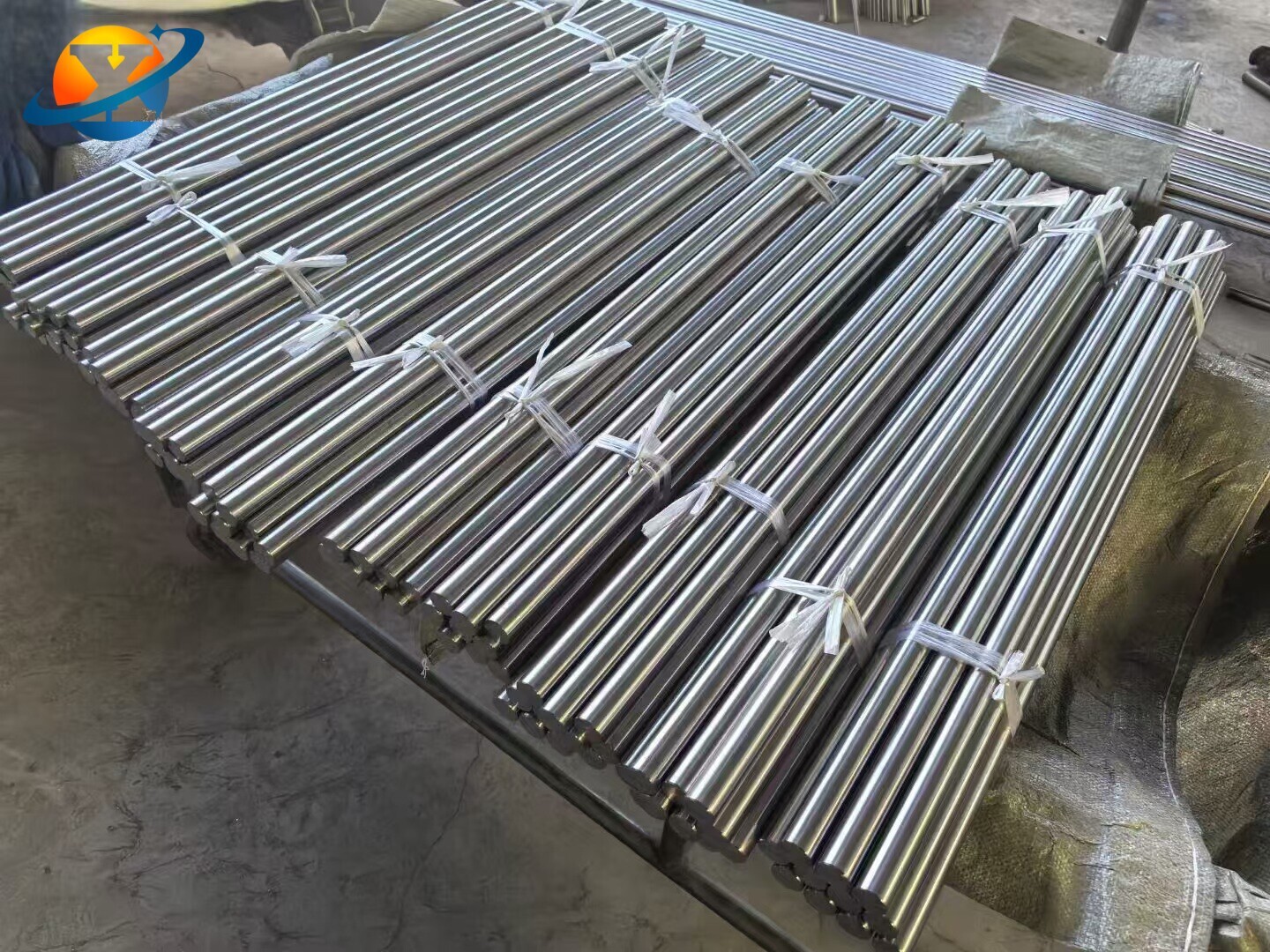
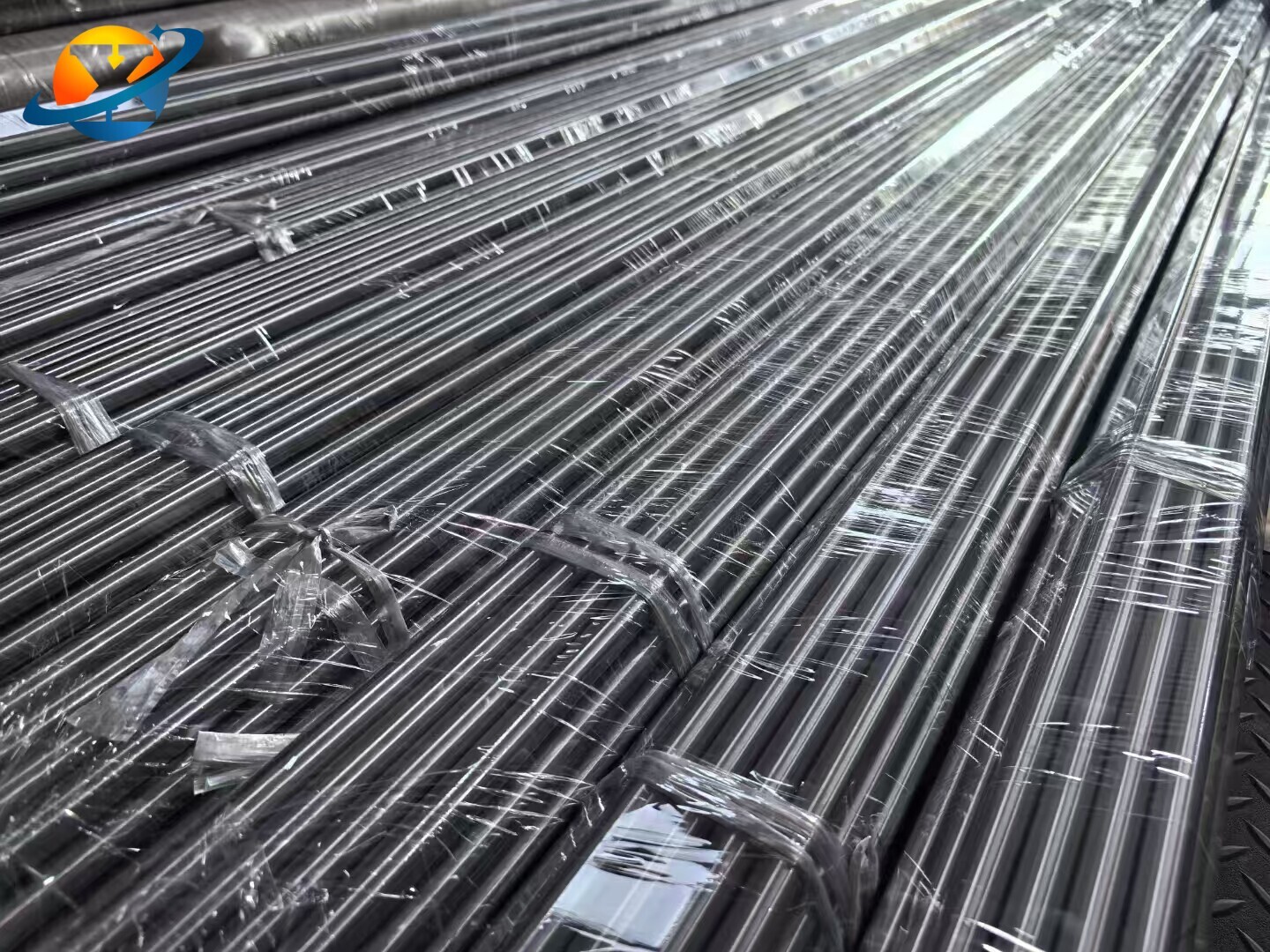
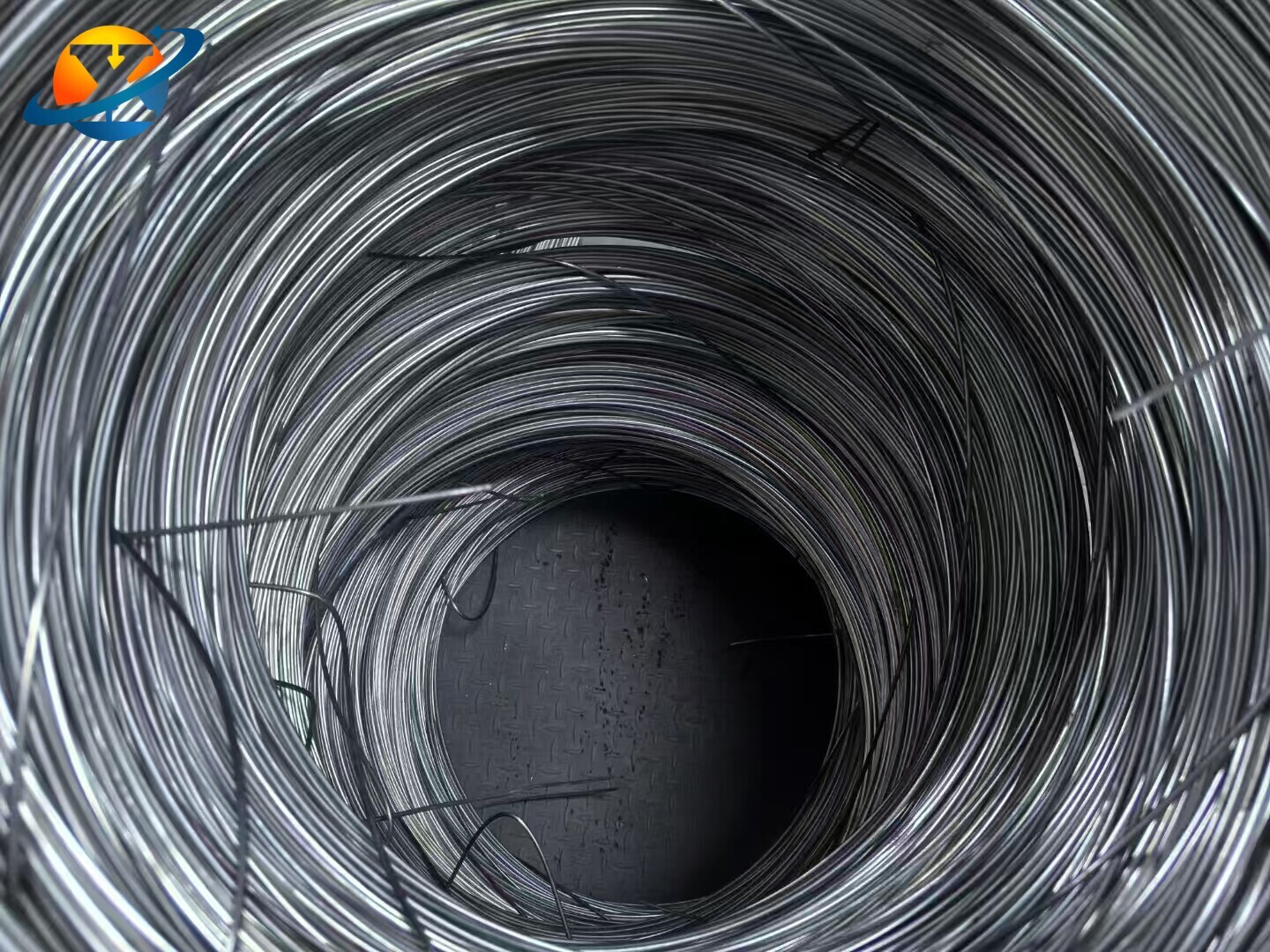
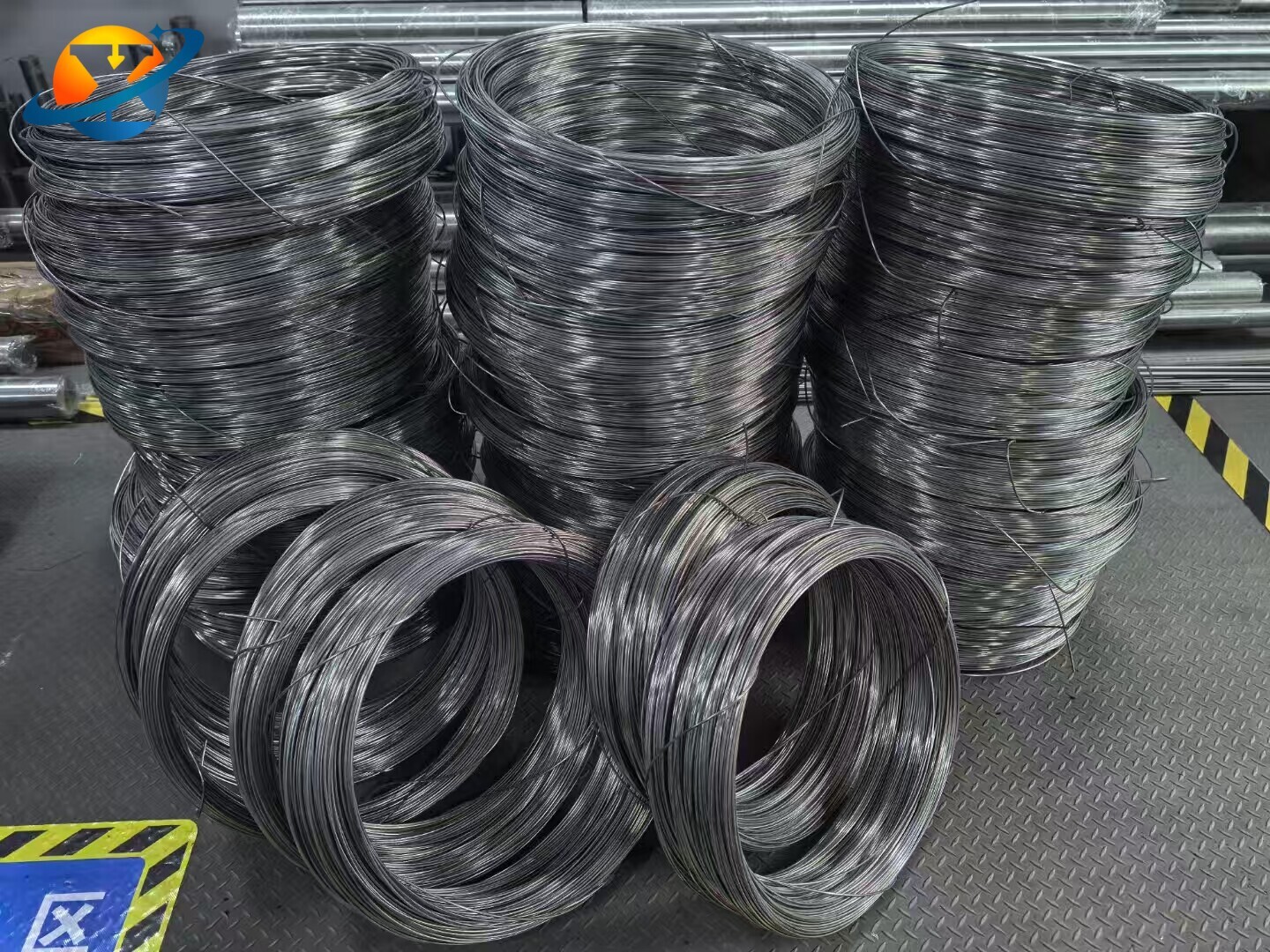

Discover the Versatility of Titanium Rods and Bars
Welcome to our comprehensive guide on titanium rods and titanium bars, essential materials driving innovation across numerous industries. With over 19 years of expertise in the titanium sector, we understand the critical role these components play in high-performance applications. Whether you're searching for titanium round bar suppliers, the ideal titanium filler rod for welding, or specific dimensions like a 4mm titanium rod or 10mm titanium rod, you've come to the right place.
What are Titanium Rods and Bars?
Titanium rods and titanium bars are solid or hollow forms of titanium metal. They're renowned for their exceptional strength, corrosion resistance, and lightweight properties. Manufactured through processes like forging, rolling, and extrusion, these materials achieve precise dimensions and desired mechanical properties. From solid titanium rod for structural integrity to hollow titanium rods for weight reduction, their applications are vast.
Types of Titanium Bars and Rods: Tailored for Every Need
The diverse world of titanium offers various grades and alloys, each with unique benefits. Understanding these variations is key to selecting the right product for your project.
Commercially Pure (CP) Titanium Rods
Commercially Pure (CP) titanium rods contain small amounts of iron and oxygen. While they offer less strength than alloyed versions, their exceptional corrosion resistance makes them indispensable. This property makes them perfect for:
Chemical processing plants: Resisting degradation from harsh chemicals.
Marine environments: Withstanding corrosive saltwater, ideal for boat propellers and diving equipment.
Medical equipment: Their biocompatibility ensures no adverse reactions with human tissues, leading to their use in implants and surgical tools.
Specific CP grades include:
Grade 1 Titanium Bar: The most malleable and ductile, highly resistant to corrosion. Commonly used for body implants, heat exchangers, and chlorination systems.
Grade 2 Titanium Bar: The most widely used CP grade, offering an optimal balance of corrosion resistance and strength. Popular in aerospace components, marine equipment, and chemical processing.
Alloyed Titanium Rods: Enhanced Strength and Performance
For applications demanding higher strength, titanium alloy rods are the answer. These alloys combine titanium with other metals like aluminum and vanadium to enhance specific properties.
Grade 5 Titanium Bar (Ti-6Al-4V): Also known as Ti-6-4 titanium round bar, this is the most common titanium alloy. It features 6% aluminum and 4% vanadium, providing an excellent strength-to-weight ratio. Its uses are extensive:
Aviation: Aircraft frames, engine parts, landing gear.
Medical implants: Joint replacements, dental implants, pacemaker cases, leveraging its medical titanium rod properties.
Race car components: Exhaust systems, suspension parts, enhancing speed and endurance.
Grade 9 Titanium Bar (Ti-3Al-2.5V): Contains 3% aluminum and 2.5% vanadium. It offers great workability and corrosion resistance, finding applications in bicycle frames and aircraft components.
Key Features of Titanium Rods and Bars
The distinct properties of titanium make it an invaluable material:
Corrosion Resistance: Offers exceptional resistance to degradation in corrosive environments, including saltwater, acids, and chlorine, ensuring longevity.
High Strength: Considered one of the strongest metals, titanium boasts an impressive strength-to-weight ratio, crucial for aerospace, automotive, and construction.
Biocompatibility: Does not cause adverse reactions with human tissues, making it ideal for medical titanium rod applications such as implants and surgical tools.
Workability: Despite its hardness, titanium can be easily welded and machined, facilitating its use in various manufacturing processes. For specialized applications, consider a titanium hex bar stock or titanium square rod.
Low Density: Approximately half the weight of steel, titanium's low density is highly desirable for industries where every gram counts, like aerospace and automotive, contributing to fuel efficiency.
Thermal Expansion: Has a low coefficient of thermal expansion, maintaining dimensional stability even under extreme heat, perfect for engine parts and other high-temperature applications.
Applications of Titanium Rods Across Industries
Titanium rods are utilized across a multitude of industries, showcasing their versatility and superior performance:
Aerospace Industry: Titanium rods are widely used for aircraft frames, engine parts, and landing gear due to their exceptional strength and lightweight properties.
Medical Applications: The biocompatibility of titanium rod makes it indispensable for joint replacements, dental implants, and pacemaker cases. Medical grade titanium rod ensures durability and seamless integration with the human body.
Marine Environments: Titanium rods excel in saltwater applications like boat propellers, hulls, and diving equipment, offering long-term durability and resistance to harsh conditions.
Automotive Industry: Used in exhaust systems, suspension parts, and engines, titanium metal rod improves fuel efficiency without compromising strength. Race car components often feature titanium for enhanced performance.
Industrial Applications: In chemical processing plants and heat exchangers, titanium bars are used to construct reactors, pipes, and valves, enduring corrosive chemicals and high temperatures, reducing maintenance costs.
Choosing the Right Titanium Rod or Bar: A Buyer's Guide
When sourcing titanium rods for sale or a specific titanium round bar, consider these factors to ensure you select the best product for your needs. We offer competitive titanium rod price and titanium rod cost for various specifications.
Grade: Match the titanium grade to your application's requirements. From Commercially Pure (CP) titanium rods known for formability to alpha-beta titanium bars for high-temperature resilience, each has a distinct alloy composition. Don't forget specialty options like threaded titanium rod or titanium clad copper rod.
Purity: For most applications, aim for titanium bars with at least 90% purity to retain the metal's core qualities.
Finish: Different finishes like polished, sandblasted, and matte are available. Polished finishes are often preferred for chemical applications, while sandblasted or matte options suit welding projects, especially when considering titanium welding rod suppliers or a titanium TIG rod.
Form and Size: Titanium bars come in various forms and sizes:
Titanium round bars: Ideal for construction projects and machining. We offer a range of sizes, including 2mm titanium rod, 3mm titanium rod, 5mm titanium rod, 6mm titanium rod, 8mm titanium rod, and 12mm titanium rod.
Titanium square bars: Suitable for fasteners and shafts.
Titanium flat bars: Used for bracket manufacturing.
Consider specific dimensions like 3/16 titanium rod or a 1 inch titanium rod depending on your needs.
Machining and Welding: Look for titanium bars with clear machining and welding guidelines, especially if you're working with TIG welding titanium filler rod or require specific alloys like ErTi-5 filler rod. Despite its durability, titanium can be brittle under high temperatures, making proper handling crucial.
Frequently Asked Questions (FAQs) about Titanium Rods and Bars
Can spacers be made from titanium?
Yes, titanium rods are highly suitable for making spacers. Titanium spacers offer high strength, exceptional corrosion resistance, and lightweight properties, making them ideal for areas exposed to extreme heat or chemical reactions. Their biocompatibility also makes them valuable in biomedical applications.
Are titanium rods stronger than steel?
While titanium doesn't have the same density as steel, it is indeed comparable in strength, and often boasts a higher strength-to-weight ratio. For instance, Grade 5 titanium rod (Ti-6Al-4V) will have a higher strength than many stainless steels. This superior strength-to-weight ratio, combined with excellent corrosion resistance, makes titanium preferred in aerospace and automotive industries.
What makes titanium a good metal for construction?
Titanium is an excellent choice for construction due to its high strength, resistance to bending and deformation, and exceptional durability. Its ability to resist rust, corrosion, and weathering ensures longevity of structures. Furthermore, its low density makes it easier to handle and transport, contributing to overall construction efficiency. Lastly, its biocompatibility makes it safe for both structural and medical applications.
What industries benefit from using titanium bars?
Several industries widely incorporate titanium bars and titanium rods:
Aerospace: For lightweight and strong components like airframes and engine parts.
Automotive: For high-performance car parts that reduce weight and enhance speed.
Marine: For equipment requiring superior corrosion resistance in saltwater environments.
Medical: For surgical tools and implants due to biocompatibility.
Chemical Processing: For reactors and pipes exposed to corrosive chemicals, ensuring durability and safety.
Contact Us for Your Titanium Rod and Bar Needs
As a leading titanium round bar supplier, we are committed to providing high-quality titanium round stock and various titanium pole options to meet your exact specifications. Explore our range of titanium round bar for sale and competitive titanium round bar price. Whether you need ASME SB 348 compliant materials or specialized titanium Damascus rod, our team is ready to assist you.
MESSAGE
Interested? Leave your contact details.
Got any questions?
If you have something on your mind, just let us know!
We are more than happy to answer all your inquiries.